
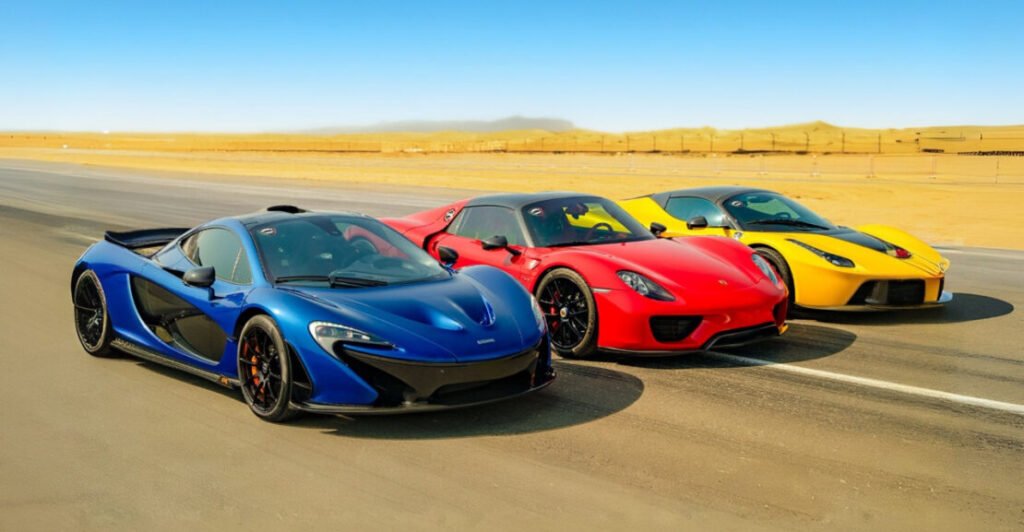
Engineering Icons That Redefined Modern Performance
The 21st century has ushered in an extraordinary era for automotive engineering. Hypercars—machines built at the outer limits of technology and design—have emerged as the ultimate expression of what performance vehicles can achieve.
These cars are far more than headline-grabbing speed machines. They serve as technological flagships for their brands, pushing innovations that often influence the broader automotive industry. At the same time, their rarity and engineering significance have transformed them into highly desirable collector assets.
From the internal combustion breakthroughs of the early 2000s to the electrified revolutions of today, the most iconic hypercars of the modern era represent milestones in automotive ambition.
Bugatti Veyron — The Hypercar That Redefined Limits
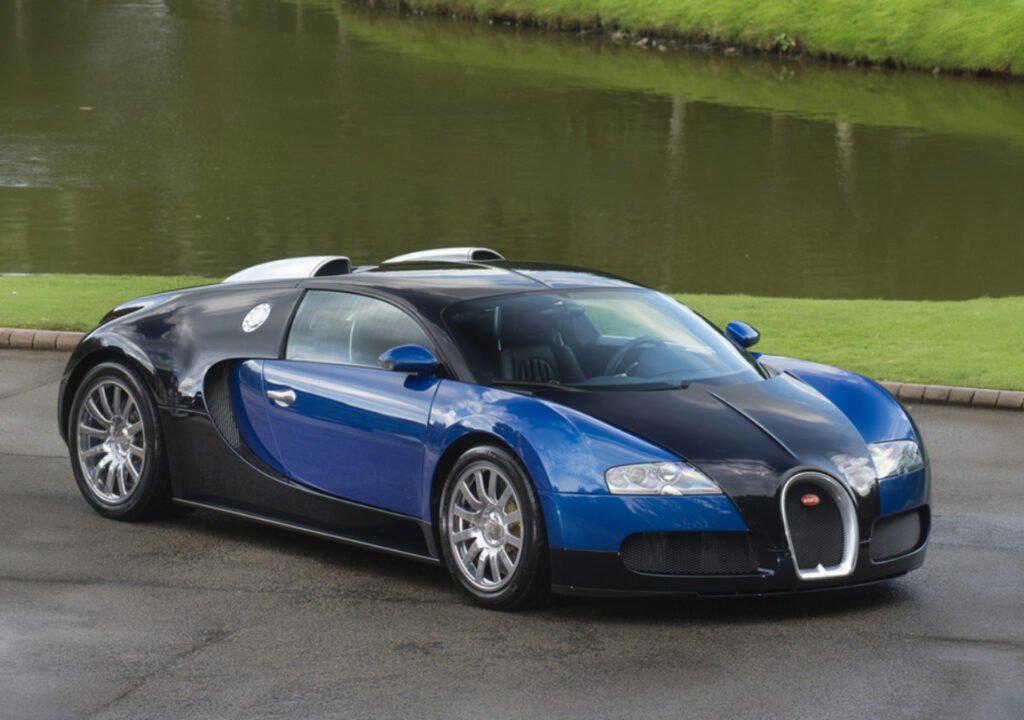
When the Bugatti Veyron appeared in the mid-2000s, it fundamentally changed expectations for performance vehicles.
Powered by a quad-turbocharged W16 engine producing more than 1,000 horsepower, it became the first production car capable of surpassing the 400 km/h barrier. Achieving such speed alone would have been remarkable—but the Veyron also delivered comfort, reliability, and refinement unprecedented at that level of performance.
Its introduction marked the birth of the modern hypercar era: extreme speed combined with luxury and everyday usability.
What made it iconic:
- First production car to exceed 1,000 hp
- First road-legal vehicle to break the 400 km/h barrier
- A new benchmark for engineering complexity and refinement
McLaren P1 — Hybrid Technology Meets Track Performance
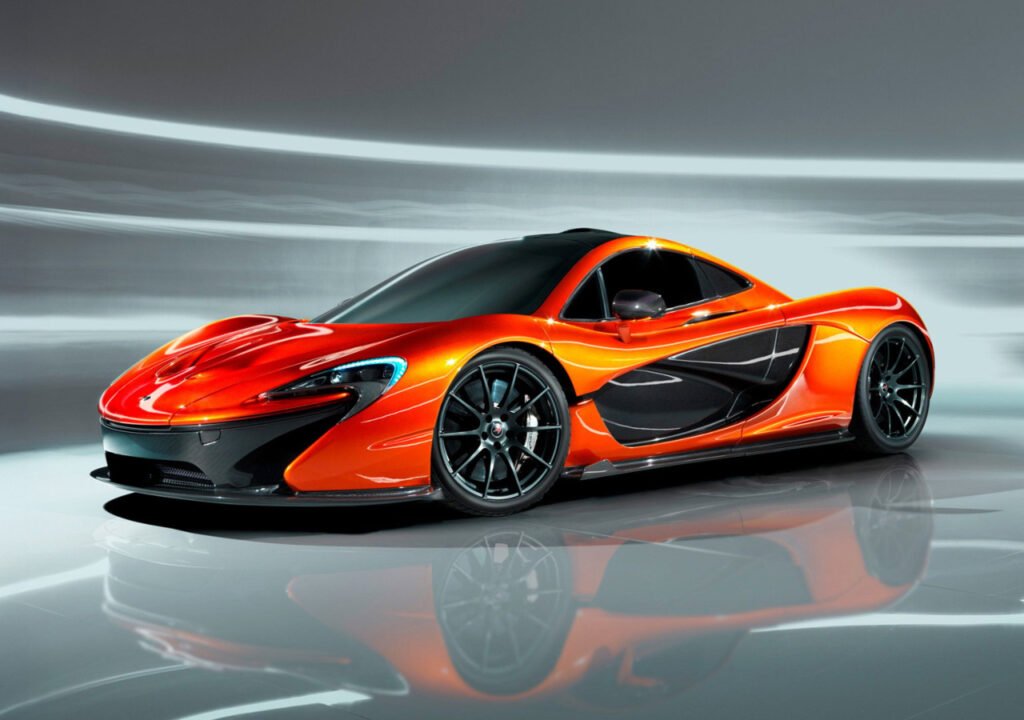
The McLaren P1 represented a pivotal moment in hypercar development.
By pairing a twin-turbocharged V8 with an electric motor, McLaren created a hybrid powertrain that delivered explosive acceleration and instantaneous torque. The system was heavily inspired by Formula 1 technology, reflecting the brand’s motorsport heritage.
Active aerodynamics, advanced suspension, and a lightweight carbon-fiber structure gave the P1 remarkable track capabilities.
Why it stands out:
- One of the legendary hybrid “Holy Trinity” hypercars
- Advanced aerodynamic systems derived from racing
- Exceptional driver-focused performance
Ferrari LaFerrari — Maranello’s Hybrid V12 Flagship
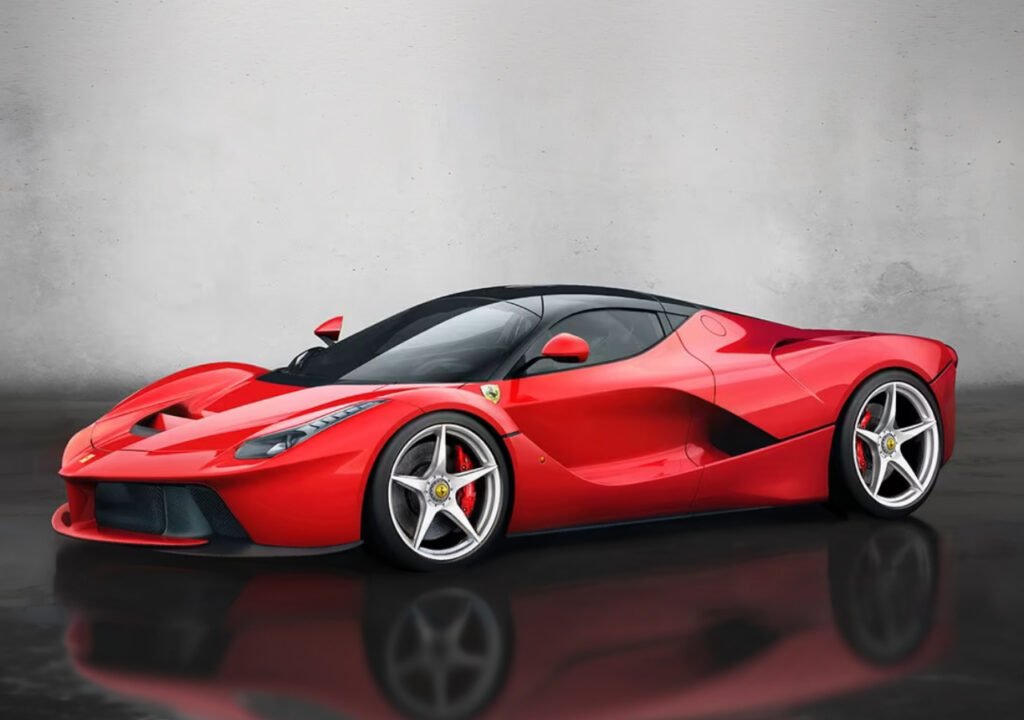
Ferrari’s response to the hybrid hypercar era arrived in the form of the LaFerrari.
Rather than abandoning its traditional formula, Ferrari combined a naturally aspirated V12 with a hybrid energy recovery system derived from Formula 1. The result was a powertrain approaching 1,000 horsepower while retaining the unmistakable sound and character of Ferrari’s flagship engines.
LaFerrari demonstrated that electrification could enhance performance without sacrificing emotional engagement.
Why collectors value it:
- Hybrid system combined with Ferrari’s V12 heritage
- One of Ferrari’s most technologically advanced road cars
- Immediate global demand upon launch
Porsche 918 Spyder — Hybrid Precision Engineering
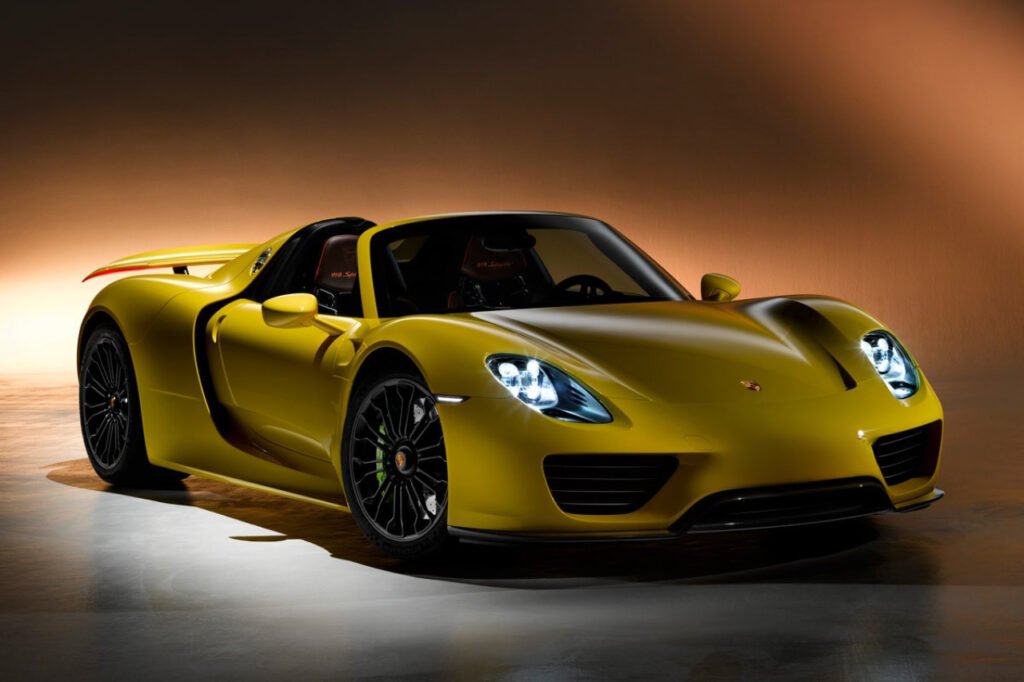
The Porsche 918 Spyder proved that hybrid technology could enhance both performance and efficiency.
Its plug-in hybrid powertrain allowed the car to operate in fully electric mode at low speeds while delivering breathtaking acceleration when both the V8 engine and electric motors worked together.
Engineered with Porsche’s meticulous precision, the 918 Spyder also achieved remarkable lap times while remaining usable as a road car.
Key highlights:
- One of the earliest plug-in hybrid hypercars
- Nürburgring performance benchmark in its era
- Renowned Weissach lightweight package
Bugatti Chiron — The Pinnacle of Combustion Hypercars
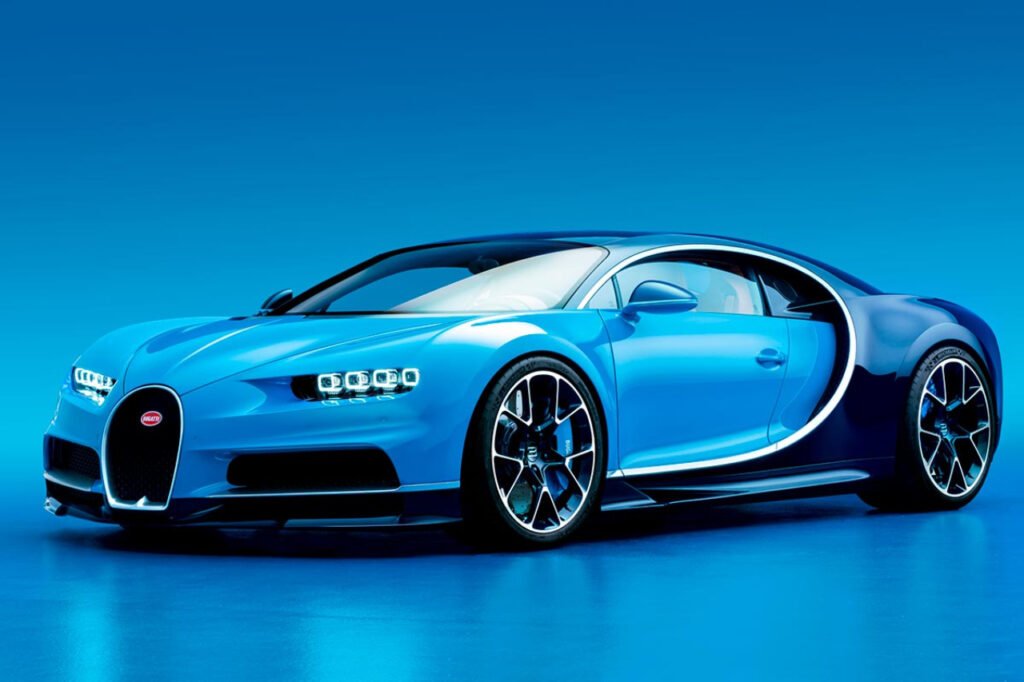
If the Veyron created the hypercar category, the Bugatti Chiron refined it to unprecedented levels.
Using an evolved version of Bugatti’s quad-turbo W16 engine, the Chiron delivered more than 1,500 horsepower and astonishing acceleration. Yet the car maintained extraordinary levels of luxury, craftsmanship, and ride comfort.
The Chiron became a symbol of the ultimate internal combustion hypercar—pushing the limits of engineering before electrification began reshaping the segment.
What defines its legacy:
- Over 1,500 hp from a highly advanced W16 engine
- Extraordinary acceleration and high-speed capability
- Hand-crafted interiors and ultra-limited production
Koenigsegg Jesko — The Frontier of Speed Engineering
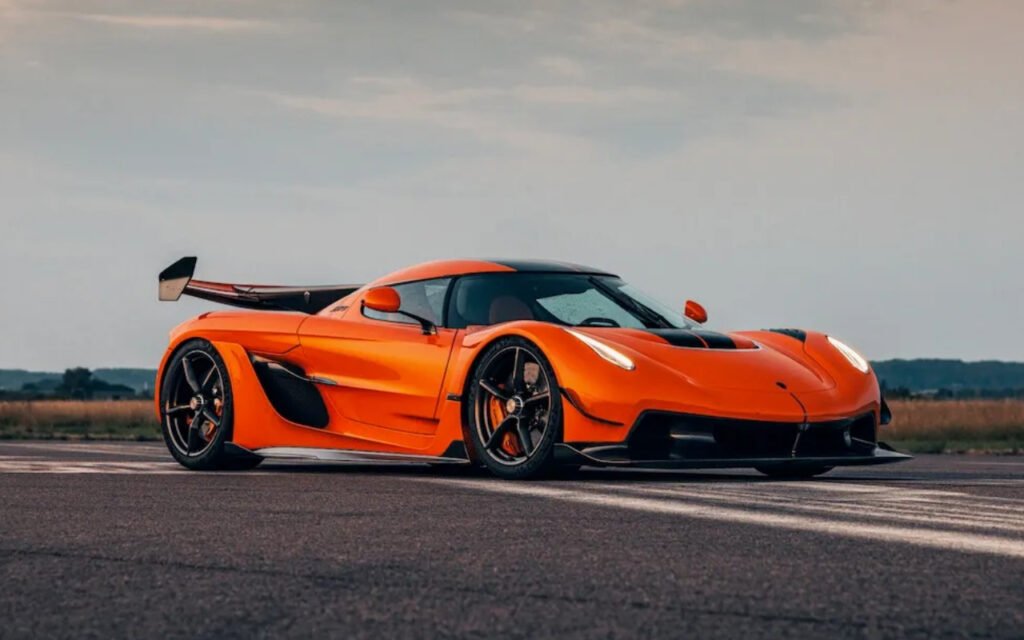
Named after the father of company founder Christian von Koenigsegg, the Jesko represents the Swedish brand’s most ambitious engineering project.
The car is offered in two distinct versions: the track-focused Jesko Attack and the high-speed Jesko Absolut. Both rely on a twin-turbocharged V8 capable of extraordinary output when fueled with E85.
Equally impressive is Koenigsegg’s innovative Light Speed Transmission, which allows near-instant gear changes.
Why it’s revolutionary:
- Among the fastest production cars ever developed
- Innovative transmission technology
- Pioneering engineering from a boutique manufacturer
Pagani Huayra — Automotive Art and Engineering
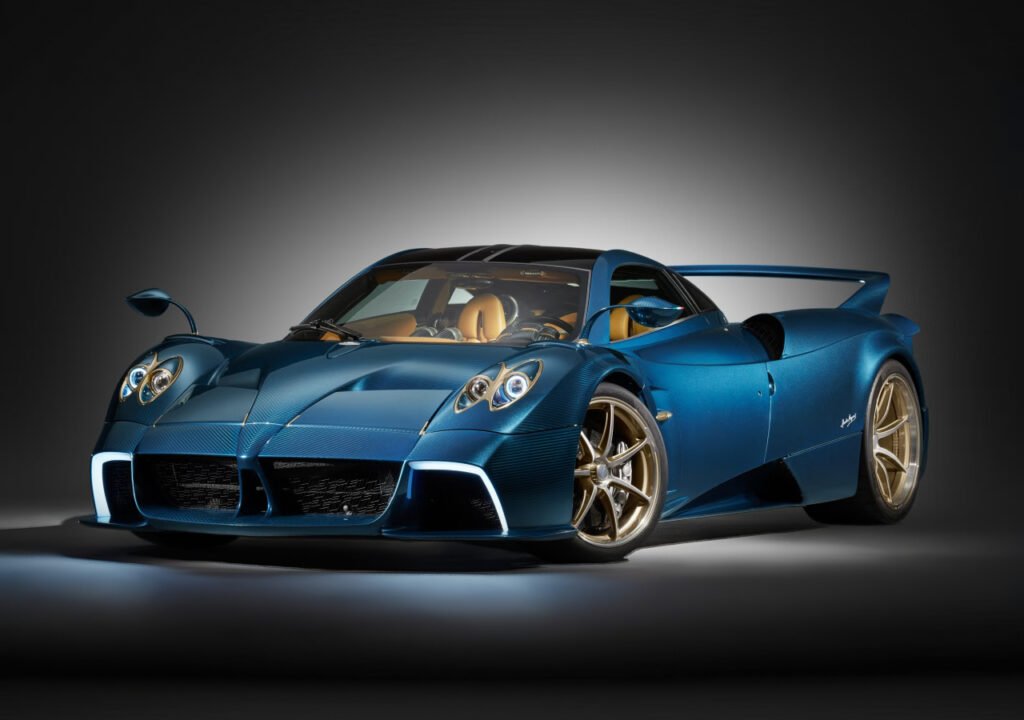
While some hypercars focus primarily on speed, the Pagani Huayra approaches performance through craftsmanship and design.
Powered by a twin-turbocharged V12 developed with AMG, the Huayra pairs extraordinary power with exquisite attention to detail. The interior features hand-crafted materials and mechanical components finished with the precision of fine watchmaking.
Its active aerodynamic flaps, which continuously adjust to optimize stability and downforce, give the car a unique visual and technical signature.
What sets it apart:
- Exceptional craftsmanship and design detail
- Active aerodynamic system integrated into the bodywork
- One of the most artistic hypercars ever created
Rimac Nevera — The Electric Hypercar Breakthrough
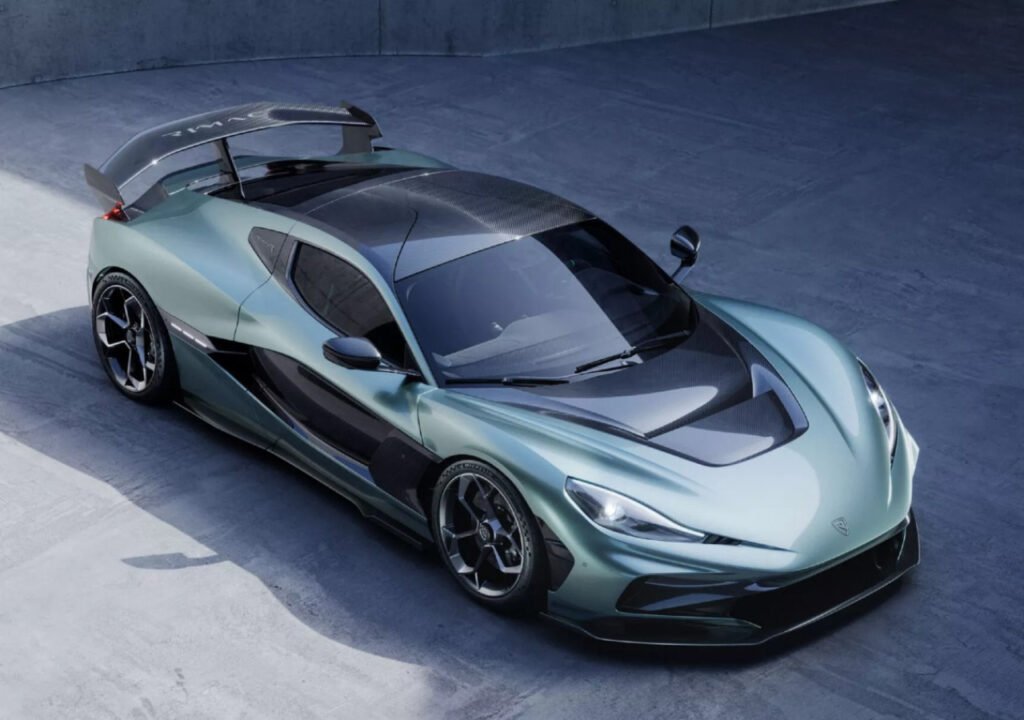
The Rimac Nevera represents the future of performance through electrification.
Powered by four electric motors delivering nearly 2,000 horsepower, the Nevera achieves acceleration figures once considered impossible for road-legal vehicles.
Beyond sheer speed, the car showcases advanced torque-vectoring systems that control each wheel individually, offering unprecedented levels of traction and control.
Why it’s groundbreaking:
- One of the fastest accelerating production cars ever built
- Fully electric hypercar platform
- Advanced battery and performance technology
The Evolution of the Hypercar Concept
Looking across these vehicles, a clear progression in hypercar philosophy becomes evident.
During the early 2000s, the focus centered on pushing the limits of internal combustion engineering, exemplified by the Bugatti Veyron.
The following decade saw the rise of hybrid performance, with Ferrari, McLaren, and Porsche combining electrification with traditional engines.
Today, the hypercar segment has diverged into multiple directions. Some manufacturers continue to refine combustion technology, while others pursue fully electric performance platforms.
Each approach reflects a different vision of the future of high-performance automobiles.
Hypercars as Cultural and Investment Icons
Iconic hypercars are defined not only by performance statistics but by their long-term cultural impact.
They often become:
- reference points for automotive design
- milestones in engineering development
- highly sought-after collector assets
- halo vehicles representing brand identity
Because many hypercars are produced in extremely limited numbers, they frequently appreciate in value over time—particularly when associated with technological breakthroughs or historical significance.
Hypercars in the Modern Era
What defines a hypercar today?
A hypercar represents the highest level of automotive engineering, combining extraordinary performance, advanced technology, exclusivity, and price. Production volumes are typically extremely limited.
Which hypercars are the fastest?
Several modern hypercars are capable of reaching or exceeding 400 km/h under certain conditions. Electric models such as the Rimac Nevera have also set new benchmarks for acceleration.
Are hypercars good investments?
Certain hypercars have proven to be strong long-term collectibles. Models associated with technological innovation, limited production, or historical significance tend to hold particular value in the collector market.
What separates hypercars from supercars?
Hypercars typically exceed supercars in performance, rarity, technological complexity, and price, representing the absolute pinnacle of automotive development.
Icons That Defined a New Century
As the automotive world moves toward electrification and digital transformation, the hypercars of the early 21st century stand as defining milestones of engineering ambition.
These machines represent far more than extreme speed.
They capture moments when technology, design, and vision converged to create something extraordinary.
Future vehicles may surpass their performance figures—but the influence of these iconic hypercars will remain embedded in automotive history for decades to come.