
The New Era of Collectible Performance Cars
For many years, the collector car market revolved primarily around classics from the 1950s through the 1970s—machines that now represent automotive heritage, historical significance, and long-term financial stability for seasoned collectors. While these icons remain highly desirable, their values have risen to levels that often place them beyond the reach of newer enthusiasts.
In recent years, however, a new segment has emerged as one of the most dynamic areas of the collector market: Modern Classics. These are high-performance luxury sports cars and supercars produced roughly between 2005 and 2020, a period that now represents the closing chapter of the analog performance era.
What makes this generation particularly compelling is the convergence of characteristics that are rapidly disappearing from modern vehicles. Naturally aspirated engines, manual transmissions, lightweight engineering, motorsport-inspired development, and limited production numbers define many of these machines.
At the same time, the automotive industry has shifted toward electrification, hybridization, and increasing digital complexity. As a result, cars from this transitional era are increasingly seen as the final expression of pure internal combustion performance.
For collectors and investors alike, the end of an era often marks the beginning of appreciation.
Below is a curated overview of modern luxury performance cars that carry particularly strong narratives for long-term collectibility and value growth.
Pillars of Modern Appreciation
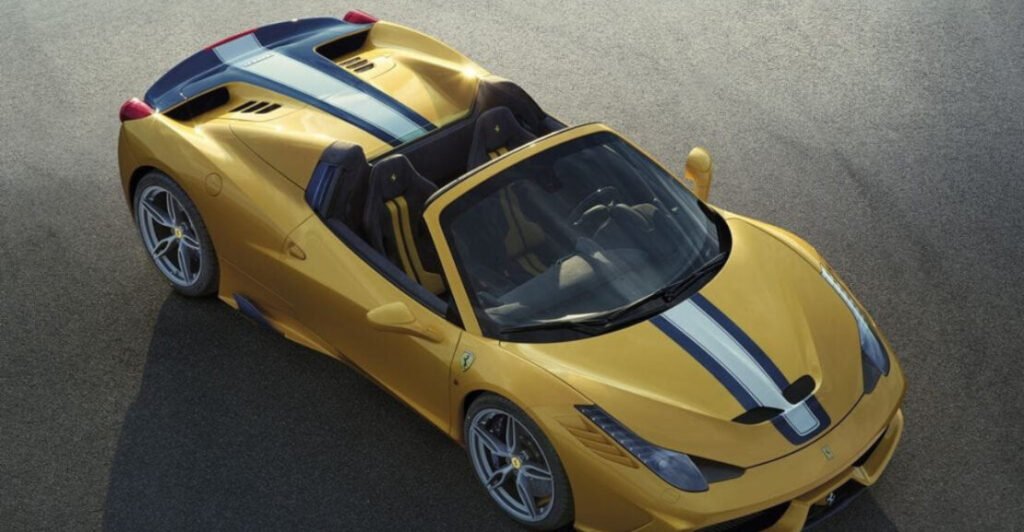
Ferrari 458 Speciale / Speciale A
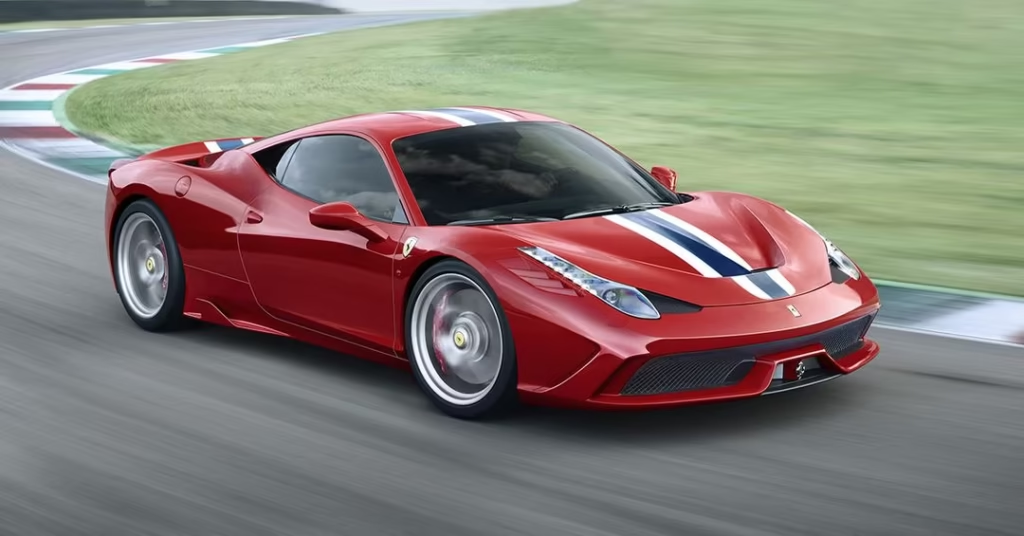
Among modern Ferraris, the 458 Speciale represents a defining moment. It is widely regarded as the ultimate evolution of Ferrari’s naturally aspirated mid-engine V8 lineage before the brand transitioned to turbocharged engines.
The Speciale delivers extraordinary responsiveness and a visceral soundtrack that many enthusiasts believe cannot be replicated in future powertrains. Its balance between track capability and road usability has earned it a reputation as one of the most rewarding Ferraris of the modern era.
The Speciale A (Aperta) adds open-top exclusivity and lower production numbers, strengthening its position as one of the most desirable Ferrari collectibles of the last two decades.
Porsche 911 R (991)
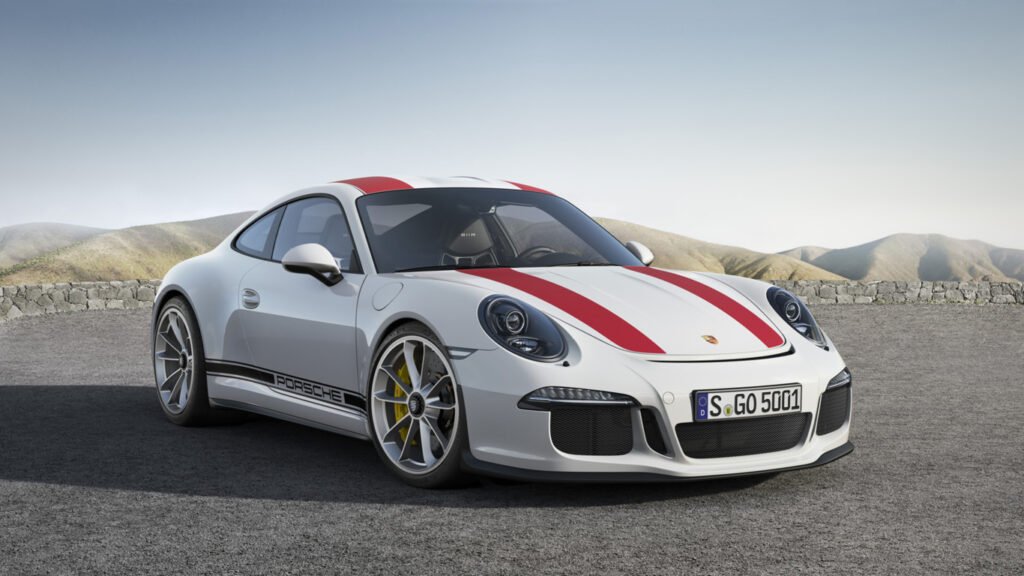
The 911 R embodies Porsche purism in its purest form. Developed as a lightweight, driver-focused version of the 991 platform, it pairs the high-revving engine from the GT3 RS with a manual transmission and a clean, wingless design.
This focus on driver engagement rather than lap-time dominance resonated strongly with enthusiasts. With extremely limited production numbers, the 911 R quickly became one of the most sought-after modern Porsche models and played a key role in reigniting global demand for manual GT-series 911s.
Lamborghini Aventador SVJ
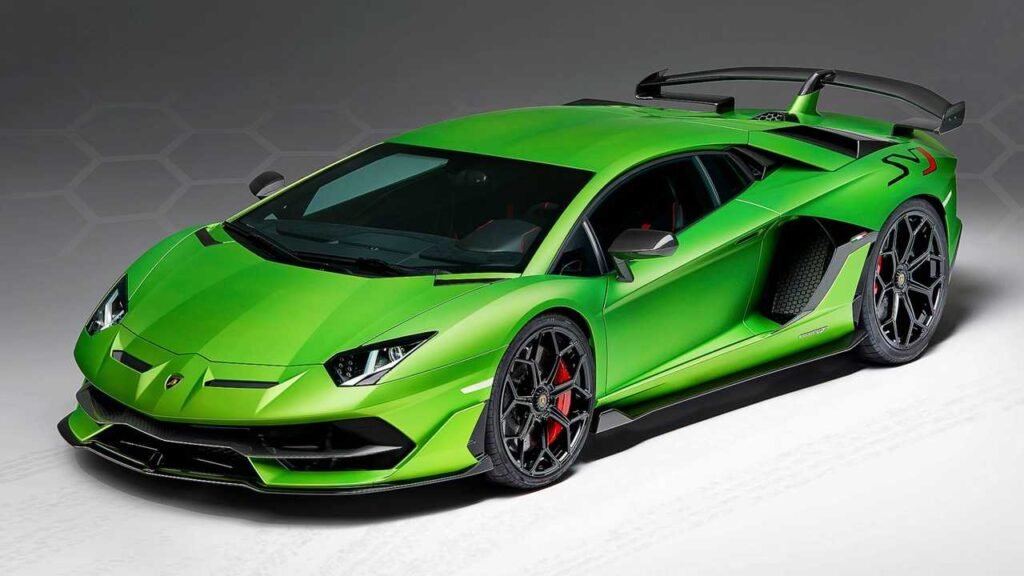
The Aventador SVJ represents the most extreme road-going expression of Lamborghini’s naturally aspirated V12 flagship platform.
Combining advanced aerodynamics, track-focused engineering, and the unmistakable drama of Lamborghini design, the SVJ set production-car lap records at the Nürburgring. It also represents one of the final chapters of Lamborghini’s pure V12 era before hybrid systems began redefining the brand’s performance strategy.
For collectors, the SVJ captures the peak of Lamborghini’s analog supercar philosophy.
Ferrari F12tdf
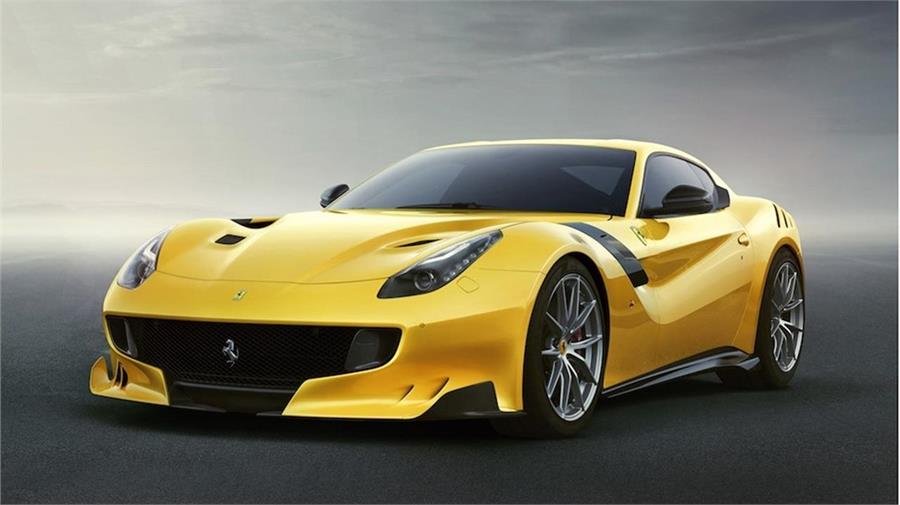
The F12tdf transforms Ferrari’s front-engine V12 grand touring formula into a track-oriented machine inspired by the historic Tour de France endurance race.
With aggressive aerodynamics, reduced weight, and a limited production run, the F12tdf quickly established itself as one of the most exciting front-engine Ferraris ever built.
As naturally aspirated V12 grand tourers become increasingly rare, the significance of models like the F12tdf continues to grow.
Porsche 911 GT3 RS 4.0 (997)
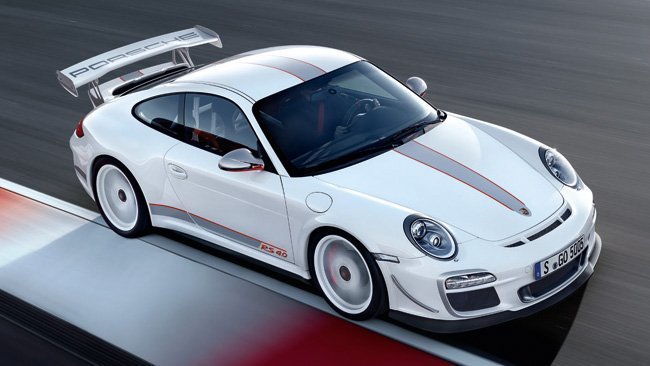
Few modern Porsche models carry the engineering significance of the 911 GT3 RS 4.0.
Powered by the legendary Mezger engine—an architecture directly linked to Porsche’s racing heritage—the car represents the final and most refined iteration of this iconic powerplant.
Its limited production numbers and deep motorsport lineage have already cemented its reputation as one of the most collectible modern 911 variants.
Mercedes-Benz SLS AMG Black Series
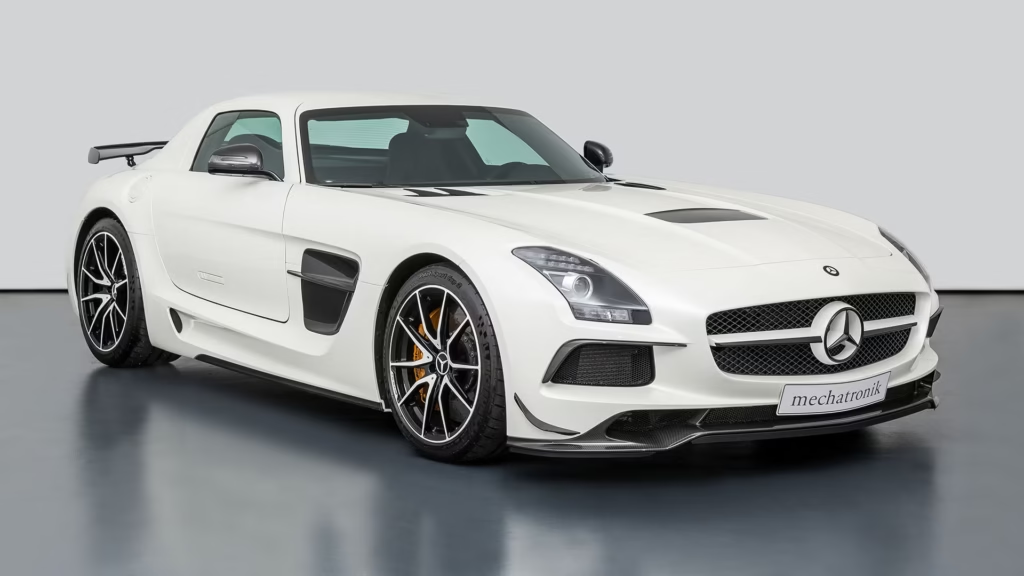
The SLS AMG Black Series transformed the already dramatic SLS into a far more aggressive, track-oriented machine.
Powered by a naturally aspirated AMG V8 and defined by its iconic gullwing doors, the Black Series combined raw performance with unmistakable visual theatre. With limited production and uncompromising engineering, it stands as one of the last truly visceral AMG halo cars from the analog performance era.
Highly Solid Modern Collectibles
McLaren 675LT
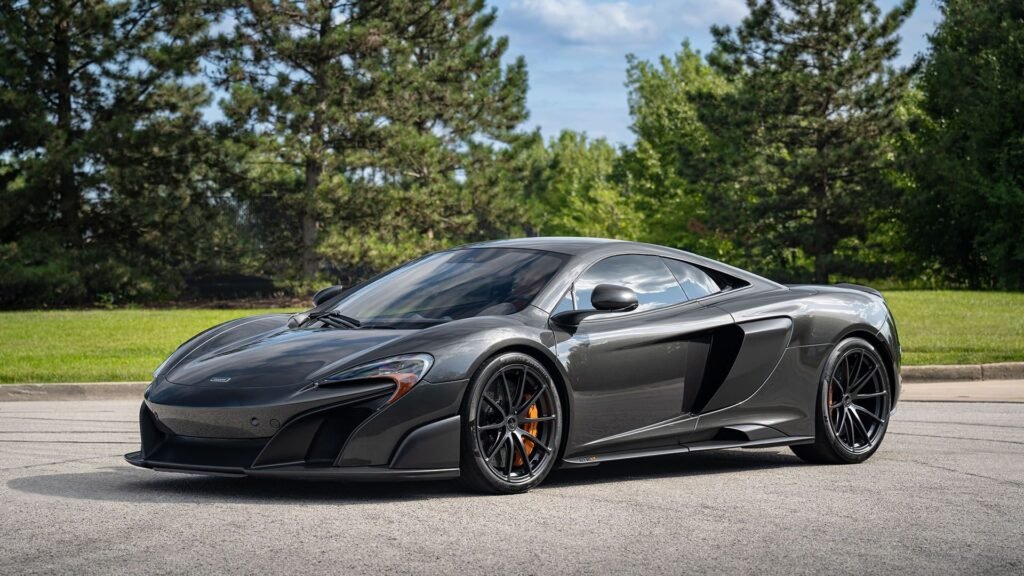
Inspired by McLaren’s historic Longtail race cars, the 675LT emphasizes lightweight engineering and aerodynamic efficiency.
With relatively low production numbers and strong enthusiast appeal, it stands among the most respected modern McLaren models. Cars configured through McLaren Special Operations (MSO) often attract even stronger interest among collectors.
Ferrari 599 GTO
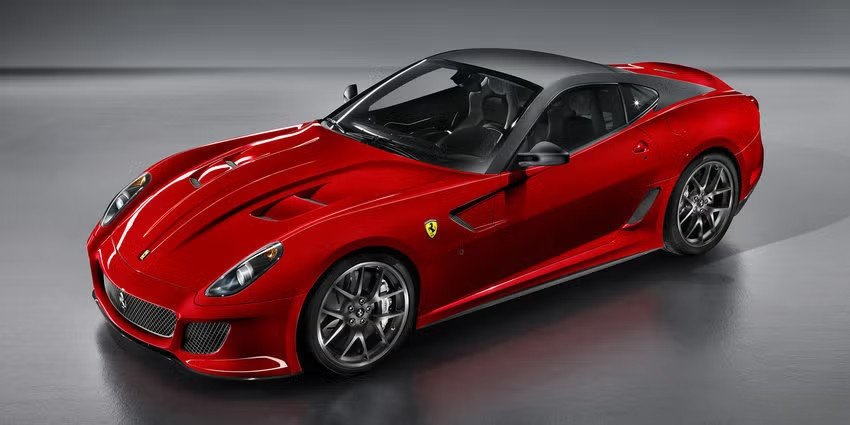
The 599 GTO is one of Ferrari’s most extreme front-engine V12 road cars, developed using technology derived from the experimental 599XX track program.
Initially overshadowed by Ferrari’s mid-engine halo cars, the model has gained renewed attention as collectors increasingly recognize the importance of naturally aspirated V12 grand tourers.
Porsche 911 Speedster (991)
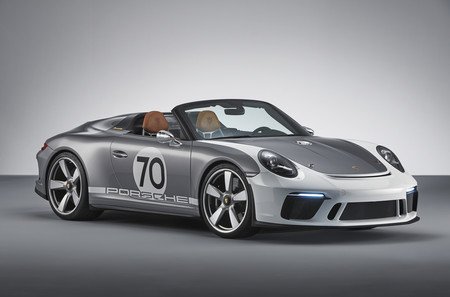
The 991-generation 911 Speedster blends heritage-inspired design with high-performance GT engineering.
Its manual gearbox, limited production, and open-top configuration position it as both a celebration model and a future collectible within Porsche’s extensive lineup.
Lamborghini Huracán STO
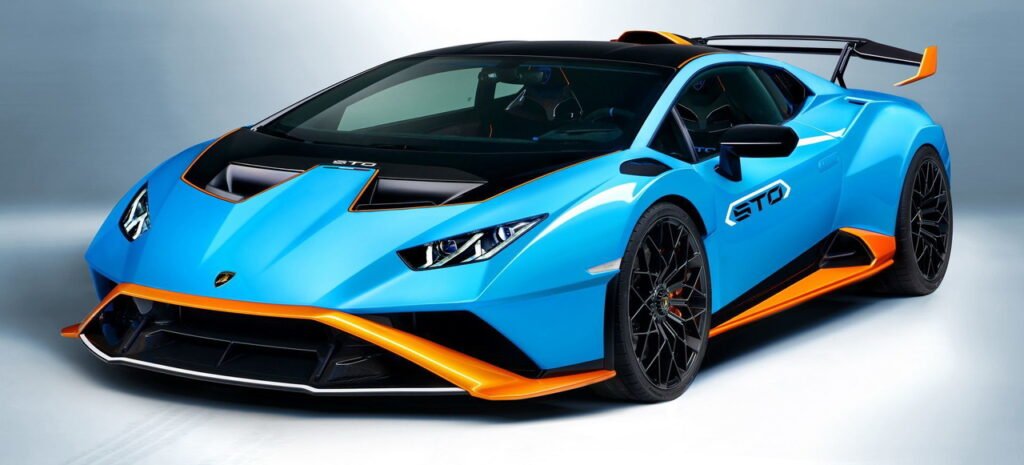
Developed with direct input from Lamborghini’s GT racing programs, the Huracán STO is one of the closest road-legal interpretations of a race car currently available.
Its lightweight construction, dramatic aerodynamics, and motorsport narrative strengthen its long-term desirability among enthusiasts and collectors.
Lexus LFA
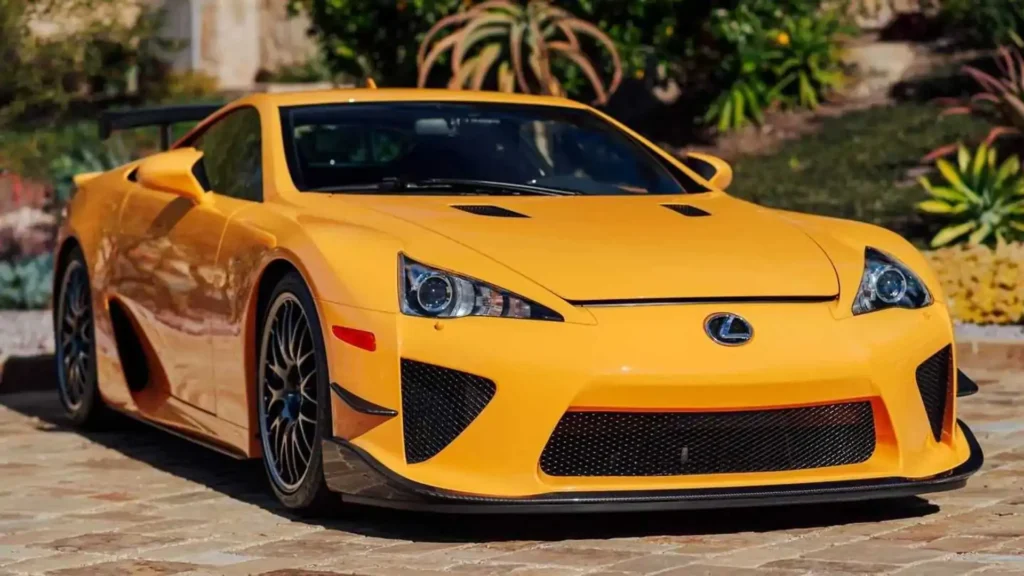
The Lexus LFA has already achieved near-legendary status.
Powered by a naturally aspirated V10 engine co-developed with Yamaha, the LFA delivers a sound and character unlike any other modern supercar. Its extremely limited production and the low likelihood of a comparable successor ensure its position as one of the most significant modern collector cars.
Emerging Opportunities — Still Undervalued
Audi R8 V10 Manual
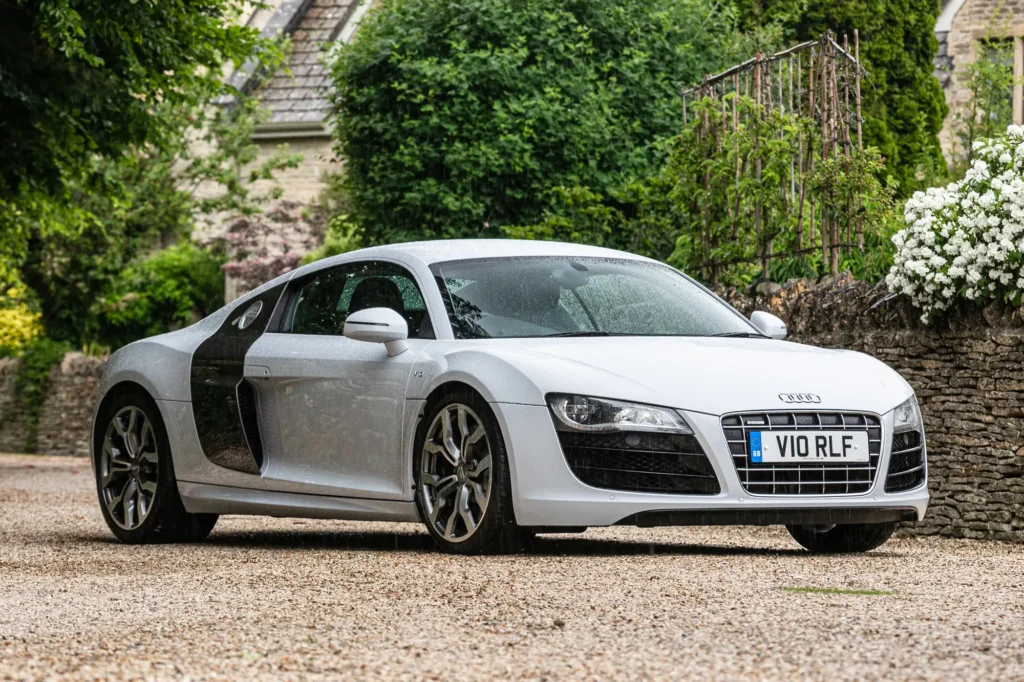
The Audi R8 V10 equipped with a gated manual transmission represents one of the final supercars to combine a naturally aspirated V10 with traditional driver engagement.
Its everyday usability and mechanical authenticity are attracting growing interest from collectors entering the modern classic market
Lamborghini Gallardo Superleggera
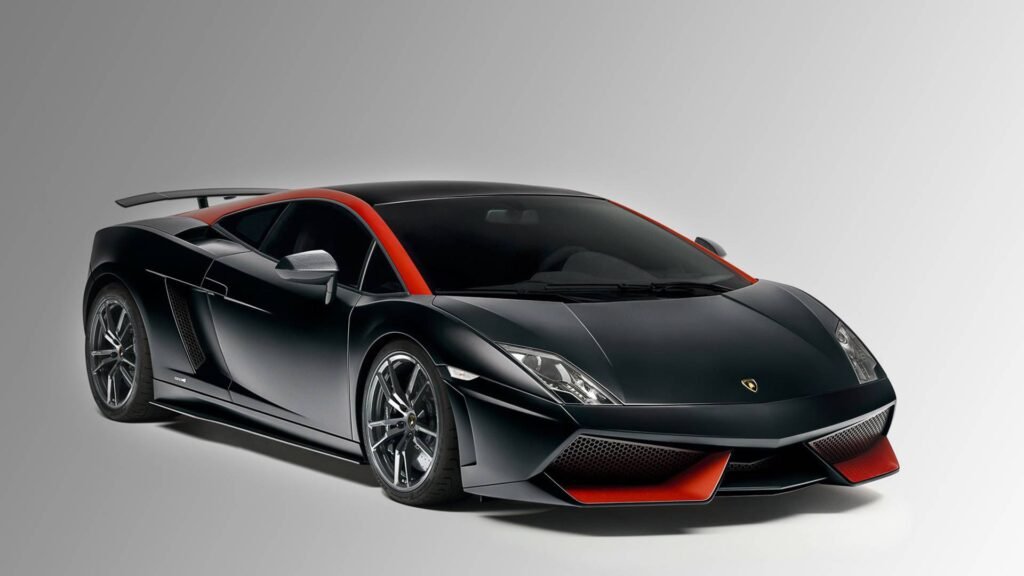
The Gallardo Superleggera represents a lightweight, track-focused interpretation of Lamborghini’s first modern high-volume supercar.
As early Gallardos transition into “youngtimer” status, special versions like the Superleggera are becoming increasingly attractive to collectors.
BMW M4 GTS
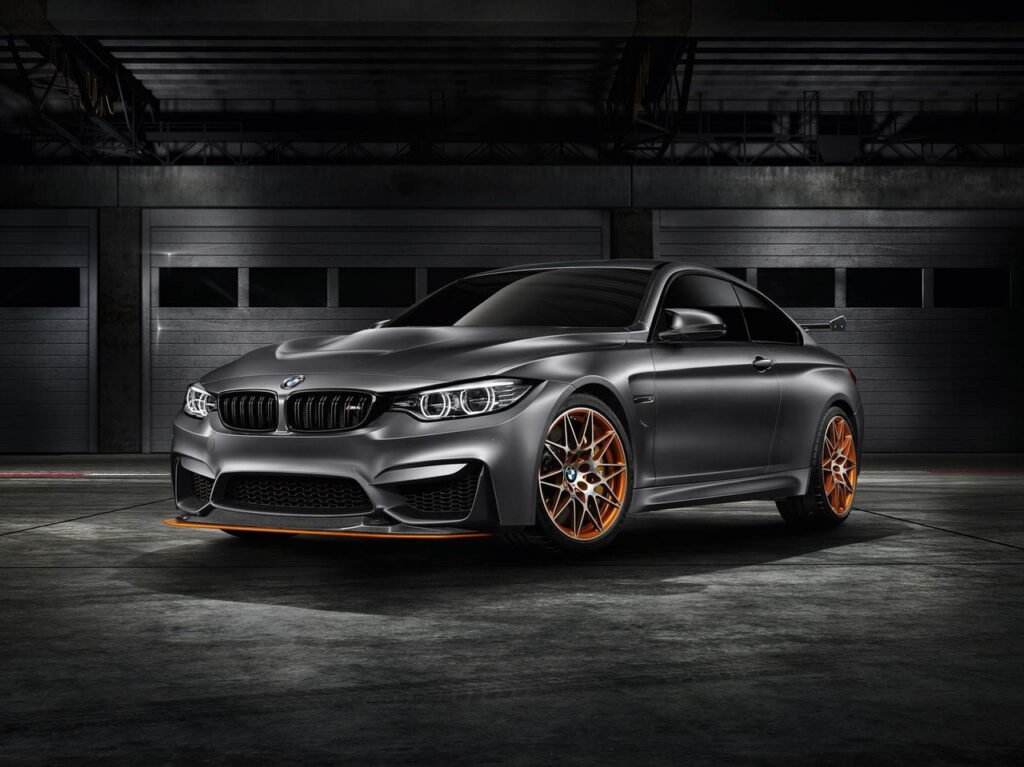
The BMW M4 GTS stands as one of the most extreme road-going M cars ever built.
With reduced weight, advanced aerodynamics, and limited production numbers, it represents a unique chapter in BMW M performance history before the brand’s shift toward electrified powertrains.
Jaguar F-Type Project 7
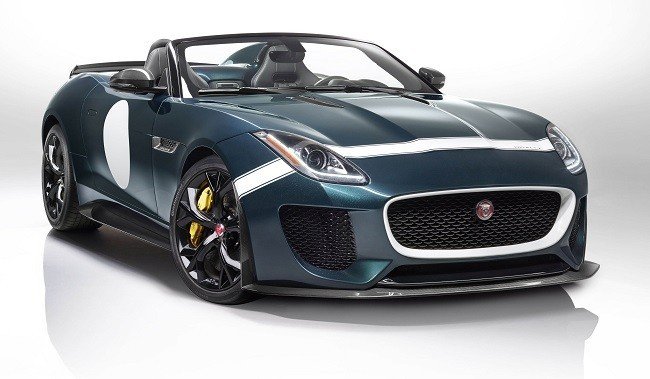
The F-Type Project 7 is a rare and dramatic tribute to Jaguar’s racing heritage, particularly the legendary D-Type racers that dominated Le Mans in the 1950s.
With bespoke bodywork and extremely limited production, it occupies a special place within the modern Jaguar lineup.
Porsche Cayman GT4 RS
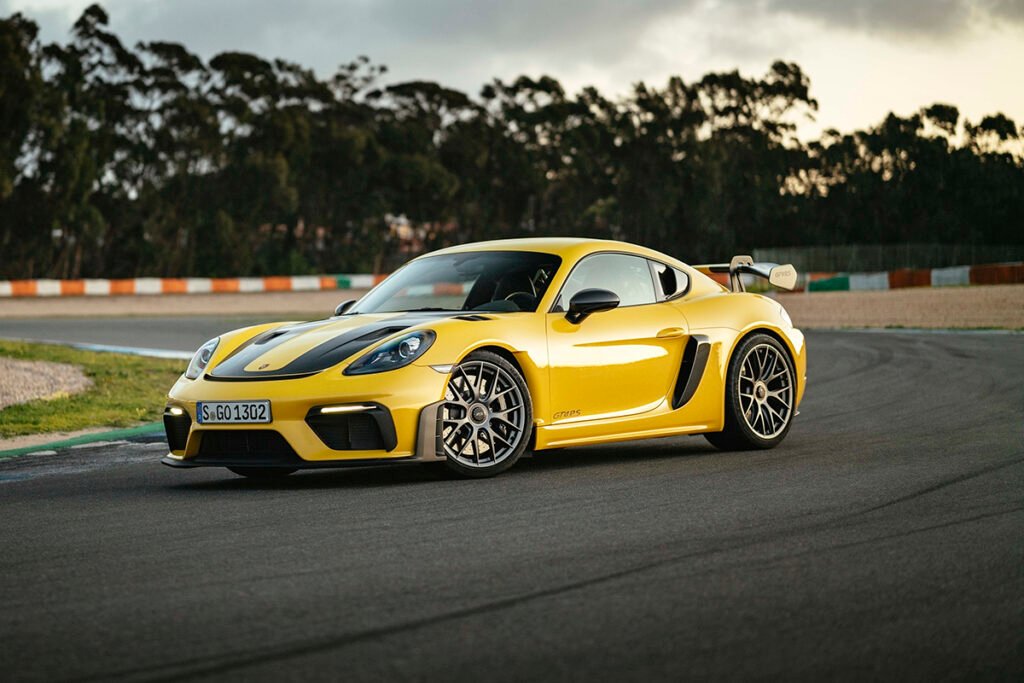
The Cayman GT4 RS pushes the Cayman platform to its absolute limit by adopting a GT3-derived engine and track-focused engineering.
Its performance and position within Porsche’s model hierarchy suggest that it may become one of the most celebrated modern Cayman variants in the future.
What Drives Appreciation in Modern Classics
The value growth of modern collectible cars is rarely accidental. Several structural factors influence long-term appreciation.
The gradual disappearance of naturally aspirated engines transforms the final examples into milestones in automotive history. Similarly, the increasing rarity of manual transmissions enhances the desirability of models that still offer this level of driver involvement.
Production numbers also play a crucial role. Limited runs—especially when tied to genuine motorsport heritage or farewell editions—create real scarcity rather than marketing-driven exclusivity.
Another key factor is generational demand. Many buyers today grew up admiring these cars when they were new. As their purchasing power increases, nostalgia becomes a powerful driver of market demand.
Finally, modern classics offer something older collector cars often cannot: usability. They remain relatively easy to maintain and can still be driven regularly without sacrificing comfort or reliability.
The Sweet Spot of Modern Car Collecting
Modern classics occupy a uniquely attractive position in the collector market.
They are generally more accessible than historic blue-chip classics while being far less speculative than contemporary hypercars. At the same time, they share many of the key appreciation drivers that define both segments.
Models such as the Ferrari 458 Speciale, Porsche 911 R, and Lamborghini Aventador SVJ represent the closing chapter of analog supercar performance. Others—including the Lexus LFA, McLaren 675LT, and Porsche GT4 RS—continue to gain recognition as future collector icons.
For enthusiasts and investors seeking entry into the luxury automotive asset class before full market maturity is reached, the 2005–2020 modern classic window remains one of the most compelling opportunities in today’s collector landscape.